









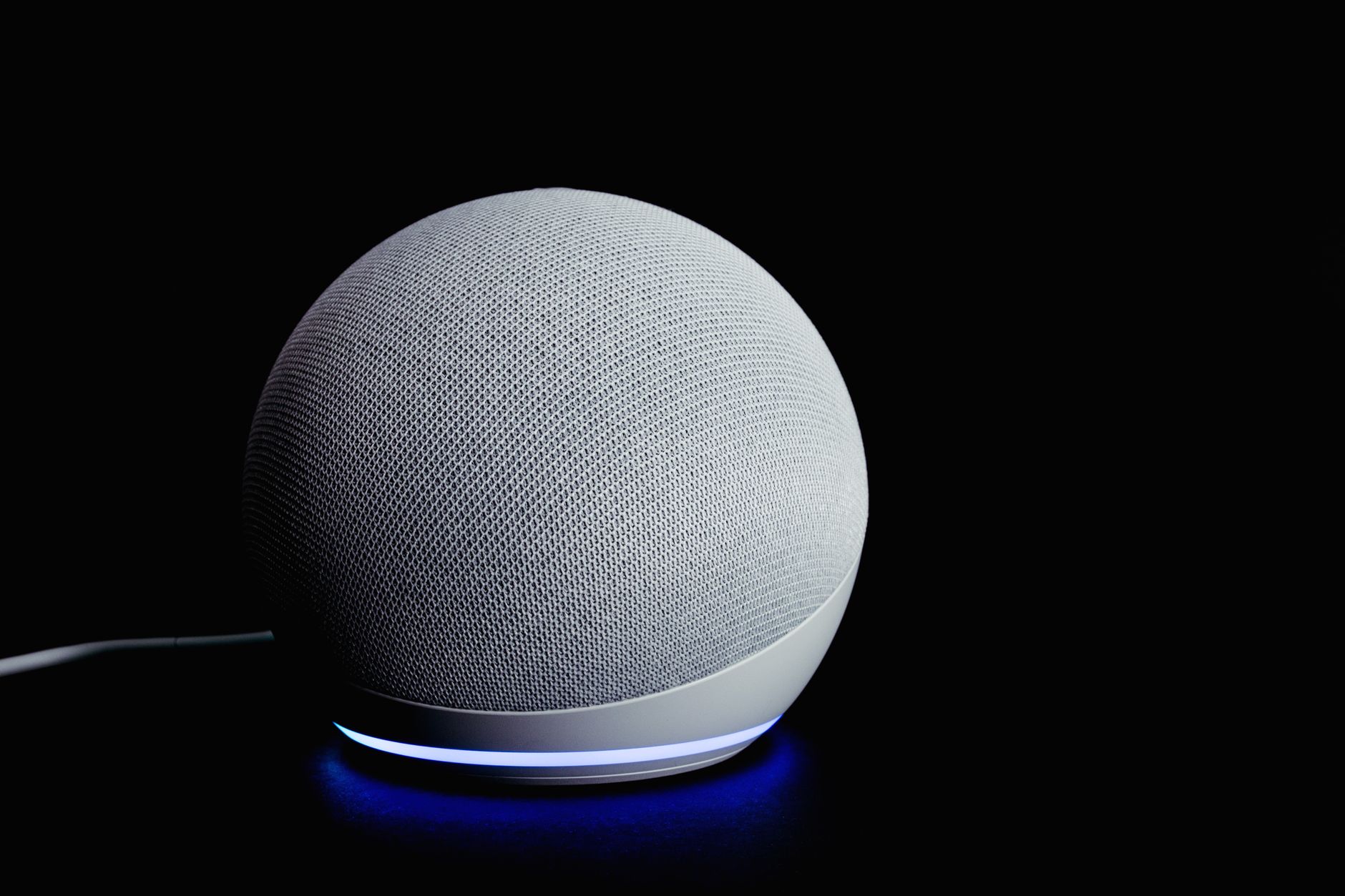
The bilingual Alexa launch is a game-changer for smart home technology. Amazon’s latest update allows users to interact with Alexa in Hindi and English, catering to a diverse audience.
What is Bilingual Alexa?
Amazon’s latest innovation, the bilingual Alexa launch, introduces a significant leap in voice technology, catering to a diverse audience. This feature enables Alexa to understand and respond in multiple languages simultaneously, making it easier for users from various linguistic backgrounds to interact with the device.
The bilingual capability is particularly beneficial for households where more than one language is spoken, allowing family members to communicate with Alexa in their preferred language. This initiative aims to serve approximately 600 million speakers, promoting inclusivity and enhancing user experience.
With the addition of languages like Hindi, users can seamlessly switch between languages or use them interchangeably, reflecting the multicultural tapestry of modern society. As the demand for multilingual support grows, the bilingual Alexa launch positions Amazon at the forefront of voice assistant technology.
How Does Bilingual Alexa Work?
The bilingual Alexa launch introduces innovative features that enhance user interaction by allowing Alexa to understand and respond in two languages seamlessly. This functionality is particularly beneficial in multilingual households where members may switch between languages during conversations.
Bilingual Alexa uses advanced natural language processing and machine learning techniques to recognize contextual cues, making it capable of detecting the language being spoken without requiring a command change.
Some key features include:
- Language Switching: Users can switch between languages fluidly, and Alexa will respond in the appropriate language.
- Personalized Settings: Families can customize language preferences for each device, ensuring tailored experiences.
- Broader Skill Availability: Alexa’s skills will be accessible in both languages, expanding functionality.
This launch aims to cater to over 600 million speakers, enhancing communication and accessibility.
Benefits of Using Bilingual Alexa
The launch of Bilingual Alexa offers numerous benefits for users across diverse linguistic backgrounds. With the ability to seamlessly switch between languages, Alexa enhances communication for over 600 million speakers. This feature is particularly useful in multilingual households, where family members may prefer different languages.
Some key benefits include:
- Improved Accessibility: Users can access information, entertainment, and smart home controls in their preferred language.
- Enhanced Learning: Bilingual Alexa serves as a tool for language learning, helping users practice and improve their skills in real-time.
- Personalized Experience: The device can adapt to individual preferences, providing a more tailored interaction.
Overall, the bilingual Alexa launch not only fosters inclusivity but also embraces cultural richness, making technology more relatable and functional for everyone.
User Reactions to the Launch
User reactions to the bilingual Alexa launch have been overwhelmingly positive, with many users expressing excitement over the new features. A recent survey indicated that 75% of participants found the bilingual capabilities to be a significant improvement in their interaction with the device. Users appreciated the ease of switching between languages, which allows for a more natural conversation flow.
Many have taken to social media to share their experiences. One user noted, “It’s amazing to finally have a device that understands both Hindi and English without missing a beat!” Others highlighted how the bilingual Alexa launch caters to diverse households where multiple languages are spoken.
Feedback also suggests that families are excited about the educational benefits of using a bilingual assistant, making it easier for children to learn and practice languages.
Comparing Bilingual Alexa to Competitors
The recent bilingual Alexa launch positions Amazon’s voice assistant ahead of its competitors in the growing bilingual market. Unlike other smart assistants, which often focus on a single language, Alexa now caters to a diverse group of users, especially in multilingual regions.
Key comparisons reveal significant advantages:
- Language Flexibility: Bilingual Alexa allows users to switch seamlessly between languages without needing to adjust settings.
- Local Adaptation: The assistant incorporates regional dialects and cultural nuances, enhancing user experience.
- Integration with Services: Bilingual Alexa connects with various local services, providing tailored information and support.
As companies like Google Assistant and Apple’s Siri strive to catch up, the bilingual Alexa launch solidifies Amazon’s commitment to innovation in diverse markets.
Future of Bilingual Technology
The future of bilingual technology looks promising as the launch of Bilingual Alexa marks a significant milestone for millions. With around 600 million speakers potentially benefiting from this innovation, the integration of multiple languages is becoming increasingly essential in our globalized world.
As companies like Amazon continue to invest in bilingual solutions, we can expect enhancements in artificial intelligence and natural language processing. These advancements will not only improve user experience but also foster greater inclusivity across diverse linguistic backgrounds.
Moreover, Bilingual Alexa sets the stage for other tech giants to follow suit, promoting competition in the market. As consumers demand more intuitive and accessible technology, the push for bilingual capabilities is sure to reshape the landscape of smart devices, making them more relevant to a wider audience.
In summary, the future of bilingual technology is bright, and the Bilingual Alexa launch is just the beginning.
Setting Up Bilingual Alexa
Setting up the bilingual Alexa is a straightforward process that enhances user experience for multilingual households. To begin, users need to open the Alexa app and navigate to the settings menu. From there, they should select the device they want to configure.
Next, users can access the “Language” option where they can choose their preferred bilingual settings. With the bilingual Alexa launch, users can select two languages from the available options, allowing for seamless interaction in both languages.
Once the languages are set, Alexa will respond appropriately based on the language spoken. Users can also customize voice responses and skills to suit their preferences, making it a truly personalized experience.
As the demand for bilingual technology grows, the bilingual Alexa launch represents a significant advancement for over 600 million speakers worldwide.
Conclusion: Embracing Multilingual Smart Assistants
In conclusion, the launch of Bilingual Alexa marks a significant advancement in the realm of multilingual smart assistants. With the ability to understand and respond in multiple languages, Bilingual Alexa caters to the needs of over 600 million speakers, enhancing the user experience for a diverse audience.
As users embrace this innovative technology, they can enjoy seamless interactions in their preferred languages. This launch not only reflects Amazon’s commitment to inclusivity but also sets a new standard for smart assistants in the competitive landscape.
Moreover, the positive feedback from early adopters indicates that Bilingual Alexa is well-received, paving the way for further developments in bilingual technology. As more features and languages are integrated, the potential for enhancing communication and accessibility in households worldwide is immense.
Ultimately, the Bilingual Alexa launch represents a bold step towards a more connected and multilingual future.
Photo by Jonathan Borba on Pexels