








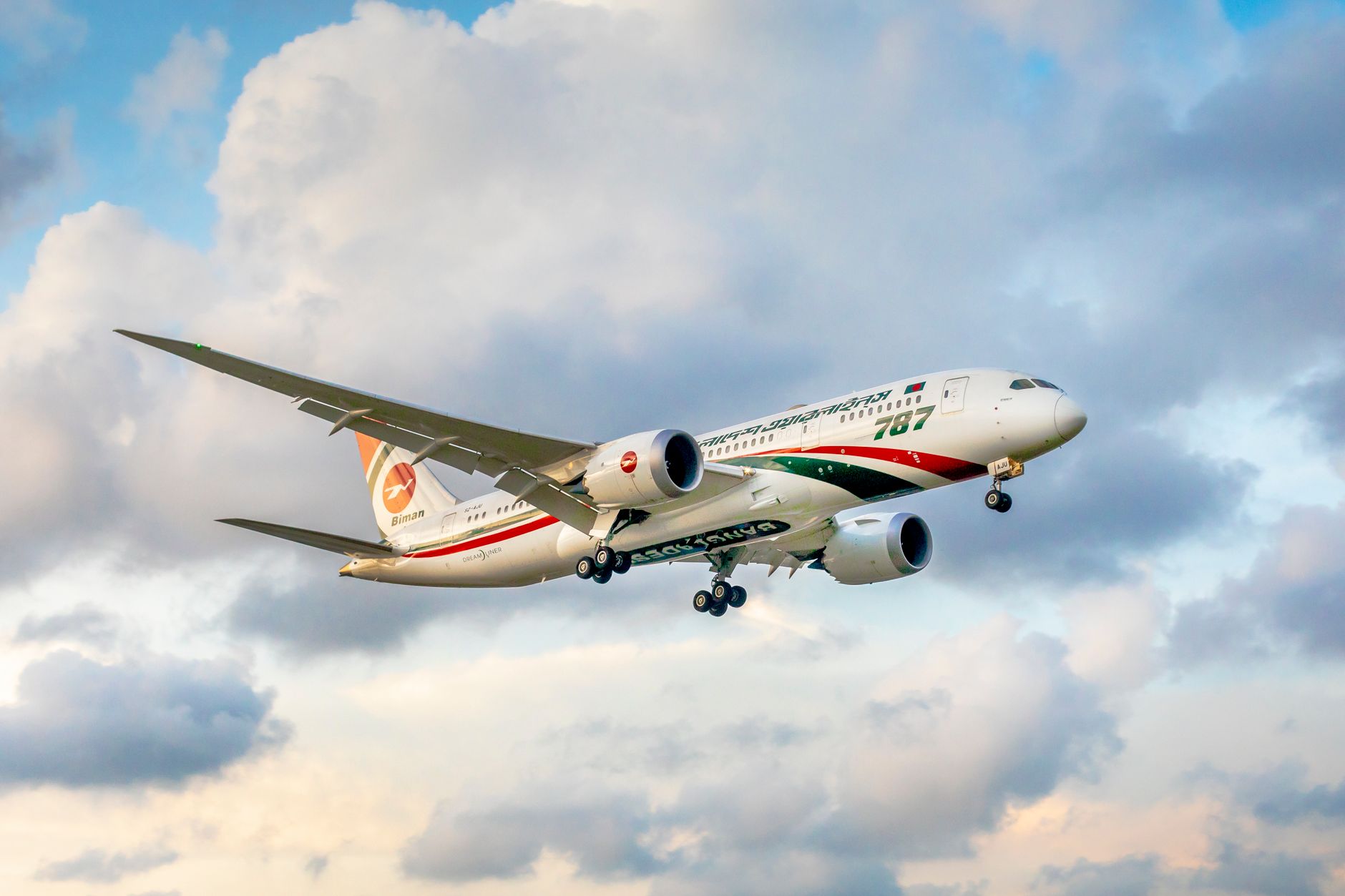
Biman Boeing aircraft order marks a significant step in the airline’s growth strategy. This decision aims to enhance operational efficiency and expand service offerings.
Overview of Biman’s New Aircraft Order
Biman Bangladesh Airlines has recently made headlines with its significant decision to place an order for 14 Boeing aircraft, marking a pivotal moment in the airline’s fleet expansion strategy. This move is part of Biman’s broader efforts to modernize its operations and improve service quality for passengers.
The new aircraft order includes a mix of Boeing 737 and 787 models, which are known for their fuel efficiency and enhanced passenger comfort. Biman’s management has indicated that this acquisition will not only increase the airline’s capacity but also enable it to offer more competitive and reliable services on both domestic and international routes.
Several key factors have driven Biman to pursue this fleet expansion:
- Growing Demand: There is a noticeable increase in air travel demand within Bangladesh and the surrounding regions.
- Modernization: The existing fleet requires upgrades to meet contemporary aviation standards and passenger expectations.
- Operational Efficiency: Newer aircraft are typically more fuel-efficient, which can lead to cost savings in the long term.
As Biman moves forward with its Boeing aircraft order, industry experts are keenly observing how this decision will impact the airline’s performance and its ability to compete in an increasingly competitive market.
Impact of the Order on Bangladesh’s Aviation Sector
The recent order of 14 Boeing aircraft by Biman marks a significant turning point for Bangladesh’s aviation sector. This strategic move is expected to enhance the national carrier’s operational capacity and improve overall service quality.
Experts believe that the acquisition could have several positive impacts:
- Increased Capacity: With the addition of new aircraft, Biman will be able to expand its route network and accommodate more passengers, which is essential for meeting growing travel demands.
- Modernization: The new Boeing aircraft are equipped with the latest technology, which can lead to improved fuel efficiency and reduced operational costs. This modernization is crucial for staying competitive in the global market.
- Job Creation: An expanded fleet may result in hiring more staff, from pilots to ground crew, thereby boosting employment opportunities within the aviation sector.
- Economic Growth: A stronger national airline can foster tourism and trade, benefiting the economy. Increased passenger traffic can also lead to higher revenues for local businesses connected to the travel industry.
Overall, Biman’s Boeing aircraft order presents a promising outlook for the future of Bangladesh’s aviation landscape, positioning it for significant growth and development.
Boeing’s Role in Biman’s Fleet Expansion
Boeing’s role in Biman’s fleet expansion is significant, particularly with the recent order of 14 Boeing aircraft. This acquisition marks a pivotal moment for the national carrier as it seeks to modernize its fleet and enhance operational efficiency. The choice of Boeing signifies Biman’s commitment to investing in reliable and advanced aviation technology, which is crucial for competing in the global market.
Among the aircraft included in the order, the Boeing 787 Dreamliner stands out due to its fuel efficiency and long-range capabilities. This model is expected to facilitate international routes, connecting Bangladesh with more destinations and catering to an increasing number of travelers. The expansion is anticipated to not only improve passenger experience but also bolster cargo operations, thereby supporting the country’s economy.
Moreover, Boeing’s support and maintenance services will play a vital role in ensuring the aircraft’s longevity and performance. The collaboration between Biman and Boeing could lead to enhanced training programs for crew members, which is a critical component of safe and effective operations.
As Biman embarks on this ambitious journey, the implications of the Boeing aircraft order are poised to ripple through the aviation sector, potentially setting a new standard in service and efficiency for the region.
Comparing Biman’s Fleet with Competitors
As Biman Bangladesh Airlines embarks on its ambitious fleet expansion with a significant order of 14 Boeing aircraft, it is essential to compare its fleet with that of its competitors in the region. This comparison sheds light on the strategic implications of the Biman Boeing aircraft order and its potential impact on the airline’s market position.
Currently, regional competitors like Qatar Airways and Emirates boast modern fleets that include a mix of Boeing and Airbus aircraft. These airlines benefit from advanced technology, fuel efficiency, and passenger comfort, which enhance their competitiveness in the global market.
In contrast, Biman’s existing fleet has faced challenges regarding age and efficiency. The introduction of the new Boeing aircraft is a critical step in modernizing its operations. Here are some key points of comparison:
- Fleet Age: Many of Biman’s current planes are older models, while competitors operate newer aircraft.
- Passenger Capacity: Biman’s newer Boeing models promise to increase seating capacity, directly competing with larger airlines.
- Route Expansion: With the additional aircraft, Biman aims to expand its international routes, aligning more closely with the offerings of its competitors.
Ultimately, the Biman Boeing aircraft order could position the airline to better compete on both price and service quality, but it remains to be seen if this expansion can match the operational capabilities of leading airlines.
Future Prospects for Biman Bangladesh Airlines
As Biman Bangladesh Airlines embarks on its ambitious journey with the recent Biman Boeing aircraft order, the future prospects for the airline appear promising yet challenging. The addition of 14 Boeing aircraft is expected to enhance operational efficiency and expand international reach, which could position Biman as a significant player in the competitive aviation market.
However, several factors will influence the success of this fleet expansion. These include:
- Market Demand: Understanding travel trends and passenger preferences will be crucial. The airline must adapt to changing demands to maximize the potential of its new aircraft.
- Operational Readiness: Efficient integration of the new fleet into existing operations is essential. This includes training pilots and crew, as well as maintaining high safety standards.
- Financial Viability: Managing the financial implications of the aircraft order will be vital. Ensuring profitability while covering operational costs will determine long-term success.
- Competitive Strategy: Biman will need to differentiate itself from competitors by offering unique services and routes that attract customers.
In summary, the future of Biman Bangladesh Airlines will depend heavily on its ability to successfully integrate the new Boeing aircraft into its operations while navigating the complexities of the aviation industry.
Challenges Ahead for Biman’s Expansion Plans
As Biman Bangladesh Airlines embarks on its ambitious fleet expansion with a recent order of 14 Boeing aircraft, it faces several challenges that could impact the success of this initiative. Despite the excitement surrounding the Biman Boeing aircraft order, the airline must navigate a complex landscape of operational, financial, and regulatory hurdles.
One significant challenge is the integration of new aircraft into Biman’s existing fleet. This process requires substantial training for pilots and crew, as well as updates to maintenance protocols. Without proper preparation, the transition could lead to operational disruptions.
Additionally, the airline must secure adequate funding to support this expansion. While the order represents a major investment, ongoing costs related to maintenance, fuel, and staffing must also be considered. Biman will need to develop a robust financial strategy to ensure sustainable growth.
Regulatory issues may also pose challenges. Compliance with international aviation standards is essential, and any delays in meeting these requirements could hinder the rollout of the new aircraft.
Furthermore, competition from regional airlines is intensifying, putting pressure on Biman to enhance service quality and operational efficiency. Addressing these challenges will be crucial for Biman to fully realize the potential of its fleet expansion and solidify its position in the aviation market.
Customer Benefits from the New Aircraft
Biman Bangladesh Airlines’ recent order of 14 Boeing aircraft is poised to deliver significant benefits to the airline and its customers. With the addition of these modern aircraft, Biman aims to enhance its operational efficiency and provide a more comfortable travel experience.
First and foremost, passengers can expect improved comfort and amenities. The new Boeing aircraft are designed with passenger comfort in mind, featuring more spacious cabins, advanced entertainment systems, and better seating ergonomics. This upgrade is crucial for attracting travelers who prioritize comfort during their journeys.
Secondly, the new fleet will likely result in increased reliability. Boeing aircraft are known for their robust performance and lower maintenance costs, which can lead to fewer delays and cancellations. This reliability is essential for retaining customer loyalty and enhancing Biman’s reputation in the competitive aviation market.
Furthermore, the environmental impact of the new aircraft cannot be overlooked. The latest Boeing models are equipped with advanced fuel-efficient technologies that significantly reduce carbon emissions. This aligns with a growing demand for sustainable travel options, appealing to environmentally conscious travelers.
In summary, Biman’s Boeing aircraft order is a strategic move that not only aims to bolster the airline’s operational capacity but also prioritizes the needs and preferences of its customers, ultimately fostering growth in the aviation sector.
Expert Opinions on Biman’s Strategic Move
Experts have weighed in on Biman’s recent Boeing aircraft order, with many highlighting the strategic significance of this fleet expansion. According to aviation analyst James Thompson, “This order represents a pivotal moment for Biman Bangladesh Airlines, allowing them to modernize their fleet and enhance operational efficiency.” He emphasized that the addition of newer aircraft could lead to improved fuel efficiency and lower maintenance costs, which are critical factors in the competitive aviation market.
Industry expert Maria Chen noted that Biman’s decision to invest in Boeing aircraft reflects a broader trend among airlines seeking to modernize their fleets. “By choosing Boeing, Biman is aligning itself with a manufacturer known for innovation and reliability,” she stated. Chen also mentioned that this move could potentially position Biman as a stronger competitor against regional airlines.
However, not all opinions are entirely positive. Rajesh Kumar, a financial analyst, cautioned that while the Biman Boeing aircraft order is a significant step forward, it comes with challenges. “Biman must ensure that it can handle the associated costs of operating these new aircraft while maintaining profitability,” he explained.
Ultimately, the consensus among experts is that Biman’s strategic move could pave the way for growth and increased market share, but careful management will be crucial to its success.
The Biman Boeing aircraft order has sparked discussions among industry experts regarding its potential impact on the airline’s operational efficiency. As airlines globally seek to modernize their fleets, the Biman Boeing aircraft order may position the airline favorably in a competitive market.
Photo by Jubair Bin Iqbal on Pexels
Sources
You might also like
New Energy Solutions: The Best Smart Options for Home & Work · Settle Dues Scheme: Simple Relief for HSVP Plot Holders · AI-Powered Commerce: The Smart Move for Your Business