



Some neighbourhoods carry a kind of weight that newer districts simply haven’t earned yet. Old shophouses, decades-old hawker stalls, and a temple that’s stood on the same corner since before most residents were born these details give a place identity beyond just its address on a map. Buyers notice this, sometimes without quite putting words to why a certain area feels different from a freshly built one down the road. Heritage adds texture that raw square footage alone never manages to replicate.
Table of Contents
- Historic Districts Draw Steady Interest
- Local Culture Shapes Daily Life
- Cultural Landmarks Add Real Prestige
- Preserved Architecture Holds Value
- Walkable Heritage Streets Add Charm
- Community Identity Builds Loyalty
- Conclusion
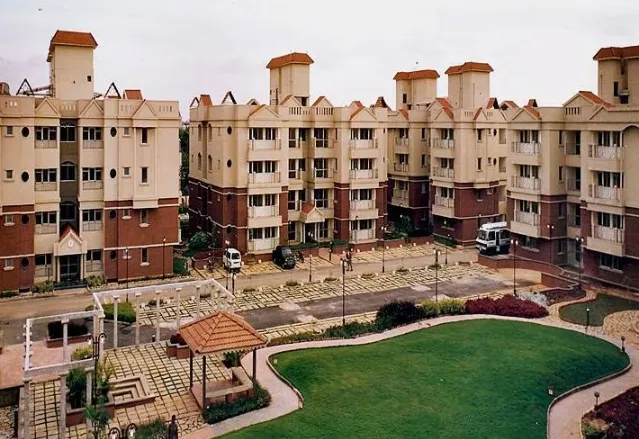
Properties near Dorset Gardens benefit from this kind of surrounding character, where established streets and long-running local businesses lend a sense of place that newer developments often spend years trying to manufacture artificially. That authenticity, once it exists, tends to hold value in ways that pure novelty rarely matches.
Historic Districts Draw Steady Interest
Areas with protected heritage buildings or conservation status tend to attract a specific kind of buyer: people who want more than just four walls and a view. They want context, a sense that the neighbourhood existed before them and will likely outlast the current trend cycle too. This appeal doesn’t fade quickly the way purely aesthetic trends sometimes do.
Conservation rules can limit certain types of redevelopments nearby, which, oddly enough, protects long-term value rather than restricting it. Scarcity of similar heritage stock keeps demand steady, since developers can’t simply replicate a century-old shophouse row with new construction, no matter how much money gets thrown at the attempt.
Local Culture Shapes Daily Life
A neighbourhood’s character shows up in small daily moments: the uncle running the same coffee shop for thirty years, a wet market that still operates the old-fashioned way, and weekend gatherings that spill onto five-foot ways. These details rarely appear in a property listing, but residents feel their presence constantly, whether they consciously notice it or not.
This kind of lived-in culture builds community bonds that newer more sterile developments sometimes struggle to replicate quickly. It takes years, sometimes decades, for a fresh area to develop this texture organically and buyers who value that atmosphere often pay a premium to skip the wait entirely.
Cultural Landmarks Add Real Prestige
Proximity to a well-known temple, church, or heritage site does more than look nice on a map. It signals a kind of permanence and prestige that resonates with certain buyers particularly those who grew up in the area or hold personal ties to its cultural landmarks and traditions.
Developments such as Clovelle of Woodlands sit within reach of this kind of cultural fabric, where nearby landmarks contribute to a sense of rootedness that purely modern districts, built from scratch without that layered history, simply cannot offer new residents right away.
Preserved Architecture Holds Value
Buildings that retain original architectural details, ornate facades, traditional roof lines and old-world craftsmanship often command higher resale interest than generic modern boxes stacked one after another. There’s something about handcrafted detail that mass-produced construction rarely bothers to replicate anymore, and buyers with an eye for it notice the difference fast.
This isn’t universal appeal, admittedly. Some buyers genuinely prefer sleek, minimalist newness over ornate old detailing, and that’s a fair preference too. But among buyers who do value it, preserved architecture tends to hold a kind of premium that outlasts passing design trends by a wide margin.
Walkable Heritage Streets Add Charm
Streets lined with older shopfronts, narrow lanes, and mature trees planted decades ago – these create a walking experience that newer, wider boulevards rarely match. People linger longer in these spaces, browse more, and stop for coffee more often, simply because the environment invites slower movement rather than rushing through.
This walkability, tied closely to heritage streetscapes, adds genuine daily value for residents who enjoy exploring on foot rather than driving everywhere. It’s a quieter kind of amenity, one that doesn’t show up on a floor plan but shapes how much residents actually enjoy simply existing in their own neighbourhood.
Community Identity Builds Loyalty
Neighbourhoods with strong cultural identity tend to retain long-term residents rather than experiencing constant turnover and that stability itself becomes a selling point over time. Buyers researching an area often ask long-time residents about the community, and a strong sense of belonging tends to show up clearly in those conversations.
This loyalty translates into steadier demand during market downturns too. Places lacking real character often suffer steeper drops when markets turn whereas historic districts keep steady interest, backed by locals who truly plan to stay instead of just passing through.
Conclusion
Historic character and local heritage bring a unique worth that raw size or fresh finishes cannot match by themselves. Old neighborhoods, site landmarks, and saved designs build an authentic feel that appeals to buyers wanting far more than a basic spot to write on forms.
This kind of value tends to compound quietly over years rather than announcing itself loudly at purchase. Buyers who recognise it early, rather than dismissing heritage as merely sentimental, often find themselves holding property that ages with genuine character instead of simply getting older.
What You Need to Know
- Older neighborhoods with historic shophouses, hawker stalls, and long-standing temples offer a sense of identity and character that newer developments lack.
- Properties near heritage sites tend to attract buyers seeking context and cultural significance, which maintains their value over time.
- Daily life in established neighborhoods is enriched by local culture, fostering community bonds that new developments may take years to create.
- Buildings that preserve original architectural details tend to have higher resale value compared to modern constructions due to their craftsmanship.
- Walkable streets in heritage areas encourage a slower, more engaging lifestyle for residents, which enhances their enjoyment of the neighborhood.
- Neighborhoods with strong cultural identity and community loyalty are more likely to retain long-term residents, resulting in steadier market demand.