









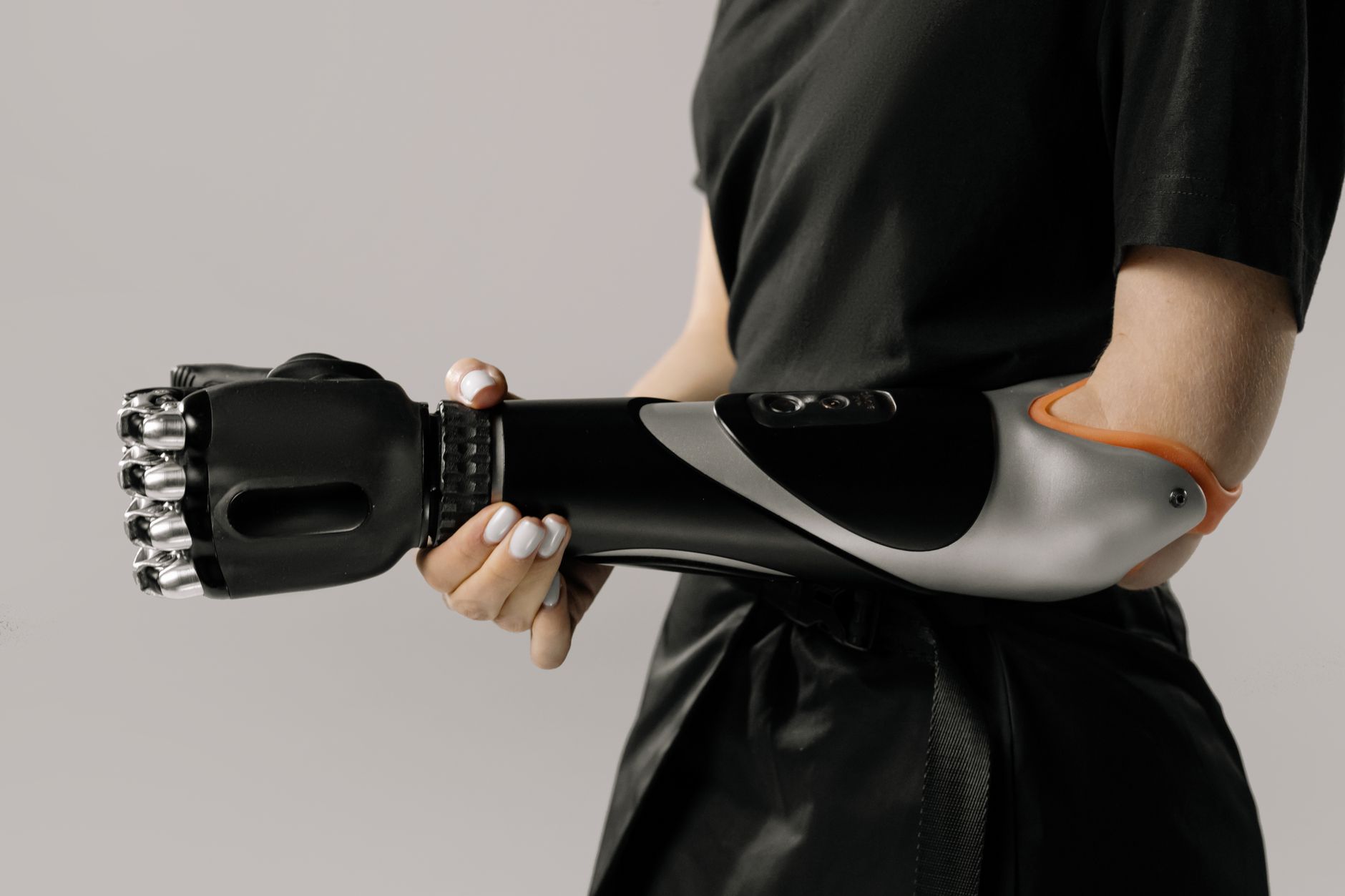
The walking-assist wearable robot from Coway is now available through a rental service. This innovative technology aims to enhance mobility for users seeking assistance.
Overview of Coway’s New Service
South Korea’s Coway has recently introduced a groundbreaking rental service for its 1.6kg ultra-lightweight walking-assist wearable robot. This innovative device aims to enhance mobility for individuals who may have difficulty walking independently. The walking-assist wearable robot is designed to provide support and stability, allowing users to regain their confidence while moving.
The rental service is a strategic move to make this technology accessible to a broader audience. With a monthly subscription model, customers can experience the benefits of the walking-assist wearable robot without the high upfront costs associated with purchasing such advanced equipment.
Key features of the walking-assist wearable robot include:
- Lightweight Design: At just 1.6kg, it is easy for users to wear for extended periods.
- User-Friendly Interface: The robot can be operated with minimal training, making it suitable for all ages.
- Enhanced Mobility: It aids in walking, reducing the risk of falls and increasing independence.
Overall, Coway’s new service represents a significant advancement in assistive technology.
How the Walking-Assist Robot Works
The walking-assist wearable robot is designed to enhance mobility for individuals with difficulty walking. By utilizing advanced robotics and sensor technology, this device provides support and stability to users during their movements. The wearable robot integrates lightweight materials, making it easy to wear for extended periods without causing discomfort.
At the core of its functionality are built-in sensors that detect the user’s body movements and adjust the assistance accordingly. This real-time feedback allows the device to provide optimal support, whether the user is walking, standing, or navigating stairs.
Additionally, the walking-assist wearable robot features a user-friendly interface that enables individuals to customize their experience based on their unique needs. This customization is crucial in ensuring that the device not only aids in mobility but also promotes confidence and independence.
With its innovative design and technology, the walking-assist wearable robot represents a significant advancement in the field of mobility aids, offering a promising solution for those looking to regain their freedom of movement.
Benefits of Renting the Wearable Robot
The decision to rent a walking-assist wearable robot can offer several advantages for potential users. First and foremost, renting allows individuals to experience the benefits of the robot without the long-term financial commitment of purchasing it outright.
Additionally, many users may find it helpful to try the device in their daily environment before making a significant investment. Renting provides an opportunity to assess how the walking-assist wearable robot fits into one’s lifestyle, ensuring it meets specific mobility needs.
Moreover, the rental service typically includes maintenance and support, relieving users of the burden of upkeep and potential repair costs. This aspect can be particularly appealing for those who may not have the technical knowledge to troubleshoot issues independently.
Finally, the lightweight design of Coway’s walking-assist wearable robot enhances portability, making it easier for users to integrate into various settings, whether at home or in community spaces.
These benefits make renting an attractive option for those considering the adoption of a walking-assist wearable robot.
Who Can Benefit from This Technology?
The walking-assist wearable robot offers significant advantages for various individuals who may struggle with mobility. This innovative technology is designed to support those who have difficulty walking due to age, injury, or medical conditions.
Key groups that can benefit from this technology include:
- The Elderly: Seniors facing mobility challenges can regain independence and confidence in their daily activities.
- Individuals with Disabilities: Those with physical disabilities can experience enhanced mobility and improved quality of life.
- Post-Surgery Patients: Individuals recovering from surgery can use the wearable robot to aid in rehabilitation and regain strength.
- Caregivers: Family members and professional caregivers can find it easier to assist those in need, reducing physical strain.
Overall, the walking-assist wearable robot presents a smart choice for enhancing mobility and independence, making it a valuable tool for various users.
Comparing Rental vs. Purchase Options
When considering the best way to acquire a walking-assist wearable robot, potential users face two primary options: rental or purchase. Each choice comes with distinct advantages and considerations.
- Rental Options: Renting the walking-assist wearable robot can be a cost-effective solution for those who may only need it temporarily. This approach allows users to:
- Test the technology without a significant financial commitment.
- Access the latest models without the burden of ownership.
- Receive ongoing maintenance and support from the rental service provider.
- Purchase Options: Buying the walking-assist wearable robot may be more suitable for individuals who require long-term support. Ownership entails:
- A one-time investment that can be more economical over time.
- Personalized adjustments and modifications as needed.
- The ability to use the robot freely without rental agreements.
Ultimately, the decision between renting and purchasing depends on individual circumstances, needs, and budget considerations.
Customer Reviews and Feedback
Customer feedback on the walking-assist wearable robot has been overwhelmingly positive, with many users highlighting its effectiveness in enhancing mobility. Reviews emphasize the robot’s lightweight design, which makes it comfortable for prolonged use. Users have noted that the walking-assist wearable robot allows them to regain independence in their daily activities, significantly improving their quality of life.
Many customers appreciate the ease of use, stating that the setup process is straightforward and intuitive. Additionally, a number of users reported feeling more confident when walking in various environments, thanks to the robot’s stability features.
However, some reviews point out that while the rental option is cost-effective, potential users should consider their long-term needs. A few customers expressed a desire for more customization options to better suit individual mobility challenges.
Overall, customer reviews suggest that the walking-assist wearable robot is a valuable investment for those seeking enhanced mobility and independence.
Future of Wearable Robotics
The future of wearable robotics, particularly the walking-assist wearable robot, looks promising as advancements in technology continue to evolve. These devices are designed to enhance mobility and provide support to individuals with varying levels of mobility challenges. As more companies invest in research and development, we can expect significant improvements in the functionality and affordability of these innovative solutions.
Experts predict that the integration of artificial intelligence and machine learning will play a crucial role in the next generation of walking-assist robots. This could lead to personalized assistance, allowing the devices to learn and adapt to the user’s specific needs. Moreover, the potential for collaboration with healthcare providers could streamline rehabilitation processes, making recovery more efficient.
Furthermore, as awareness and acceptance of wearable robotics grow, more individuals may seek out these solutions for enhanced independence. The walking-assist wearable robot may soon become a staple in the lives of those needing extra support, reflecting a significant shift towards a more inclusive society.
Conclusion: Is It Worth It?
In conclusion, the walking-assist wearable robot presents a compelling option for those seeking enhanced mobility and independence. With its lightweight design and advanced technology, this innovative device has the potential to transform the lives of individuals who face mobility challenges.
Considering the various advantages it offers, including the ability to rent rather than purchase, many users find it a cost-effective solution. The flexibility of renting allows users to assess the device’s compatibility with their needs without a long-term commitment.
Customer feedback has generally been positive, highlighting improvements in daily activities and overall quality of life. Moreover, the future of wearable robotics looks promising, with ongoing advancements expected to further enhance functionality and accessibility.
Ultimately, whether the walking-assist wearable robot is the right choice depends on individual circumstances. However, for many, it could prove to be a worthwhile investment in their mobility and independence.
Photo by cottonbro studio on Pexels