





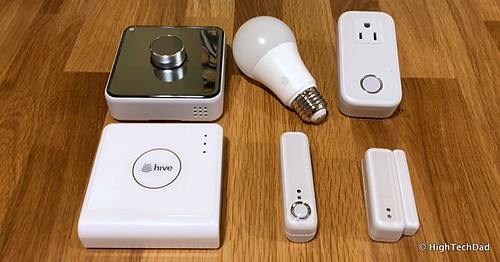
smart home devices are becoming increasingly popular, and Apple’s new partnership with LG aims to revolutionize your living space with innovative products.
Introduction to Smart Home Devices
In recent years, the rise of smart home devices has transformed the way homeowners interact with their living spaces. These innovative technologies offer convenience, security, and energy efficiency, making them an attractive option for many. As more companies enter the market, the variety of available devices continues to grow, providing consumers with numerous choices tailored to their needs.
One of the most exciting developments in the smart home arena is the recent partnership between Apple and LG, which aims to launch a range of smart home products, including a smart lock, thermostat, and doorbell. This collaboration highlights the increasing interest in integrating technology into everyday life, allowing homeowners to control their environments more effectively.
Smart home devices can enhance security by allowing homeowners to monitor their properties remotely, receive alerts about unusual activities, and even control access to their homes. Additionally, smart thermostats provide the ability to optimize heating and cooling based on individual preferences and schedules, leading to potential energy savings.
As the demand for connected living grows, it is essential for consumers to evaluate the benefits and potential drawbacks of adopting smart home devices. With advancements in technology, these devices are becoming more user-friendly and affordable, encouraging more households to consider making the switch.
The Rise of Smart Home Technology
The smart home technology market has experienced significant growth in recent years, driven by advancements in connectivity and a growing consumer demand for convenience and security. As more households embrace this trend, smart home devices have become increasingly popular, offering various functionalities that enhance everyday living.
One of the key factors contributing to this rise is the seamless integration of smart home devices with existing home systems. These devices can be controlled remotely through smartphones or voice-activated assistants, allowing homeowners to manage their environments with ease. Features such as automated lighting, temperature control, and home security have made smart devices an attractive option for many.
Recent reports indicate that major tech companies are investing heavily in this sector. For example, Apple has reportedly partnered with LG to launch a range of smart devices, including a smart lock, thermostat, and doorbell. Such collaborations not only enhance product offerings but also assure consumers of the reliability and compatibility of these devices.
As smart home technology becomes more accessible, consumers are increasingly recognizing its potential benefits. However, as with any emerging technology, it is essential to weigh the advantages against potential privacy concerns and costs associated with installation and maintenance. The future of smart home devices looks promising, yet careful consideration remains crucial.
Apple and LG Partnership Overview
In a significant move to enhance their presence in the smart home devices market, Apple has reportedly formed a partnership with LG. This collaboration aims to introduce a range of innovative home automation products, including a smart lock, thermostat, and doorbell. The combination of Apple’s renowned technology and LG’s expertise in home appliances is expected to create a seamless and user-friendly experience for consumers.
The smart lock will offer advanced security features, allowing homeowners to control access to their property remotely. With the integration of Apple’s HomeKit technology, users can easily manage their locks through their iPhones or iPads. Meanwhile, the smart thermostat promises to optimize energy usage, helping users to save on utility bills while maintaining a comfortable home environment.
Additionally, the smart doorbell will enhance home security by providing real-time video feeds directly to users’ devices. This feature not only adds convenience but also offers peace of mind for those concerned about home safety.
Overall, this partnership between Apple and LG signifies a strong commitment to advancing the smart home devices landscape. As more consumers seek to embrace technology in their everyday lives, the collaboration may prove to be a pivotal development in the evolution of smart home solutions.
Features of the New Smart Lock
The latest smart home devices are revolutionizing the way we secure our homes, and the new smart lock from Apple and LG is no exception. This innovative device is packed with features designed to enhance both security and convenience.
- Remote Access: The smart lock allows users to monitor and control access to their homes from anywhere using a smartphone app. This feature is especially useful for those who want to let guests in without being physically present.
- Keyless Entry: With the smart lock, traditional keys are a thing of the past. Users can unlock their doors with a simple tap on their smartphones, providing a seamless entry experience.
- Integration with Other Devices: As part of the broader smart home ecosystem, the new smart lock can integrate with other smart home devices, allowing for automated routines. For example, the lock can work in conjunction with a smart thermostat to adjust home temperature upon entry.
- Enhanced Security Features: The smart lock includes advanced security features such as encryption and real-time alerts. Users receive notifications for any unauthorized access attempts, ensuring peace of mind.
As smart home devices continue to evolve, the smart lock exemplifies how technology can make our lives safer and more convenient, making it an appealing choice for homeowners looking to upgrade their security systems.
Benefits of a Smart Thermostat
Smart thermostats are among the most popular smart home devices, offering several benefits that enhance convenience, efficiency, and comfort in any household. By utilizing advanced technology, these devices allow homeowners to control their heating and cooling systems from anywhere, making it easier to manage energy consumption.
One of the primary advantages of smart thermostats is their ability to learn and adapt to individual user preferences. Over time, they can analyze your daily routines and adjust the temperature accordingly, ensuring optimal comfort while minimizing energy waste. This feature not only contributes to a more pleasant living environment but also helps reduce utility bills.
In addition to learning user habits, smart thermostats provide remote access via smartphone applications. This functionality allows homeowners to adjust settings while away from home, whether at work or on vacation. Such flexibility ensures that energy is not wasted when no one is present, further enhancing savings.
Moreover, many smart thermostats integrate with other smart home devices, creating a cohesive and efficient smart home ecosystem. They can work in tandem with smart locks and security systems, enabling users to manage their home environment effectively.
Overall, investing in a smart thermostat as part of a suite of smart home devices can lead to significant long-term benefits, making it a wise choice for modern homeowners.
How Smart Doorbells Enhance Security
Smart doorbells have become a significant component of modern smart home devices, enhancing security and convenience for homeowners. These innovative gadgets allow users to monitor their front door from anywhere, providing peace of mind and added safety.
One of the key features of smart doorbells is their ability to provide real-time video feeds. Homeowners can receive alerts on their smartphones when someone approaches their door, allowing them to see who is visiting without needing to be physically present. This feature is particularly valuable for those who frequently receive deliveries or have visitors.
In addition to video monitoring, many smart doorbells come equipped with two-way audio systems. This allows homeowners to communicate with visitors directly through their smart devices, making it easy to screen guests or instruct delivery personnel without opening the door. This functionality can deter potential intruders, as they can hear that someone is home.
Furthermore, smart doorbells often integrate with other smart home devices, creating a cohesive security system. For instance, they can be linked with smart locks, allowing homeowners to grant access to trusted visitors remotely. As the demand for smart home technology continues to rise, the role of smart doorbells in enhancing home security cannot be overlooked.
Consumer Reactions to Smart Home Innovations
Consumer reactions to smart home innovations have been mixed, with many individuals expressing enthusiasm for the convenience and efficiency these devices bring. However, some remain cautious about potential drawbacks.
According to recent surveys, a significant portion of homeowners have embraced the idea of smart home devices, citing benefits such as:
- Increased convenience: Many users appreciate the ability to control devices remotely via smartphone applications.
- Enhanced security: Smart doorbells and locks provide an extra layer of protection, allowing homeowners to monitor their property in real-time.
- Energy savings: Smart thermostats help reduce energy consumption by learning users’ habits and adjusting accordingly.
However, there are concerns as well. Some consumers voice worries about:
- Privacy: The possibility of hacking and data breaches raises alarms about personal information being compromised.
- Complexity: Some users find the technology overwhelming or difficult to set up, particularly those who are not tech-savvy.
- Dependence on internet connectivity: Smart home devices require a reliable internet connection, and outages can disrupt functionality.
Overall, consumer sentiment reflects both excitement and caution, indicating that while smart home devices may offer significant advantages, challenges remain that need to be addressed.
Future of Smart Home Devices
The future of smart home devices looks promising as technology continues to evolve at a rapid pace. Industry experts predict that the integration of artificial intelligence and machine learning will enhance the capabilities of these devices, making them even more intuitive and user-friendly.
As consumers increasingly seek convenience and security, the demand for smart home devices is expected to grow significantly. Some key trends shaping the future of this market include:
- Increased Interconnectivity: Smart home devices will become more interconnected, allowing for seamless communication between various devices, creating a fully automated home ecosystem.
- Enhanced Security Features: As concerns about privacy and security rise, manufacturers will focus on incorporating advanced security measures, such as biometric authentication and encrypted connections.
- Sustainability: Energy-efficient smart home devices will gain traction as consumers become more environmentally conscious, promoting lower energy consumption and reduced carbon footprints.
- Customization and Personalization: Future smart home devices will likely offer greater customization options, enabling users to tailor their smart environments to their specific needs and preferences.
With ongoing advancements in technology and a growing consumer base, it is clear that smart home devices are not just a trend; they are a significant part of the future landscape of home living.
By HighTechDad via Openverse