









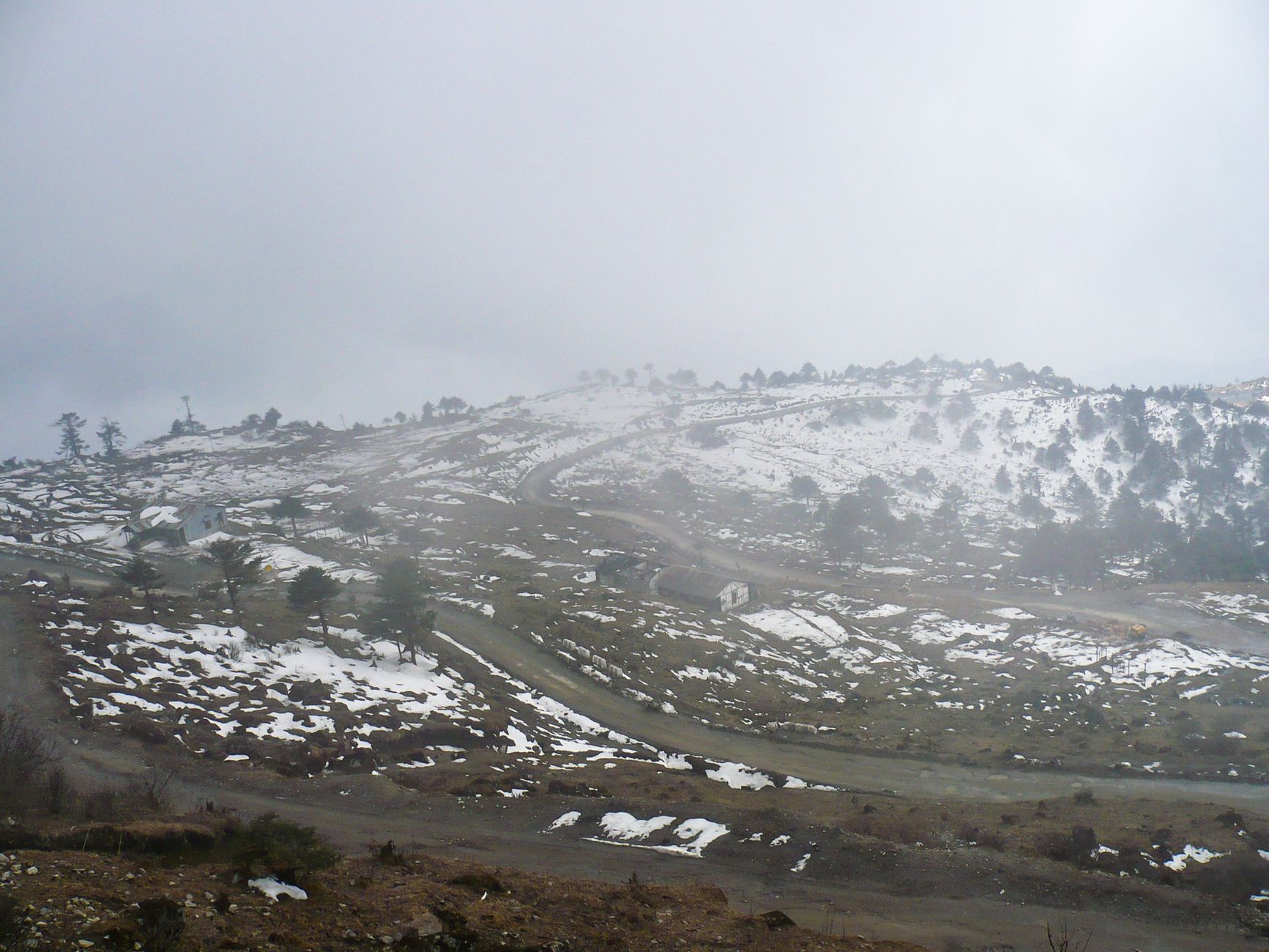
Ropeway Projects Guwahati Tawang are set to revolutionize transport in these scenic locations. The Centre’s initiative under the Parvatmala Scheme aims to improve accessibility and promote tourism.
Overview of the Ropeway Projects
The recent announcement regarding the Ropeway Projects in Guwahati and Tawang has generated significant excitement among travelers and local communities alike. These projects, initiated under the Parvatmala Scheme, aim to enhance connectivity and promote tourism in the region. By providing a seamless mode of transport, the ropeways are expected to reduce travel time and ease congestion on existing roads.
Furthermore, these projects will not only facilitate easier access to remote areas but also showcase the breathtaking landscapes that Assam and Arunachal Pradesh have to offer. The ropeway system is designed to be environmentally friendly, utilizing advanced technology to minimize its ecological footprint.
In addition to improving travel logistics, the Ropeway Projects Guwahati Tawang are projected to create numerous job opportunities for locals, boosting the economy. As tourism increases, local businesses are likely to benefit from the influx of visitors, promoting sustainable economic growth in the region.
Overall, the implementation of these ropeway projects signifies a promising step towards better infrastructure and enhanced travel experiences in Northeast India.
Benefits of Ropeway Systems
The introduction of ropeway systems in the regions of Guwahati and Tawang is poised to bring numerous benefits to travelers and the local economy. Here are some key advantages:
- Enhanced Connectivity: Ropeway projects will significantly reduce travel time between critical locations, making it easier for tourists to explore the scenic beauty of Tawang and Guwahati.
- Improved Accessibility: These systems can reach remote areas that are often difficult to access by conventional means, opening up new opportunities for tourism.
- Environmental Benefits: Ropeways are eco-friendly, minimizing the carbon footprint associated with traditional transportation methods.
- Boost to Local Economy: Increased tourism through ropeway projects in Guwahati and Tawang is expected to stimulate local businesses, creating jobs and supporting local artisans.
- Scenic Experience: Travelers will enjoy breathtaking views from the ropeway, enhancing their overall experience in these picturesque destinations.
In summary, the ropeway projects are set to transform travel dynamics, providing proven benefits for travelers and the surrounding communities.
Impact on Local Tourism
The introduction of ropeway projects in Guwahati and Tawang is set to significantly impact local tourism, drawing visitors from across the country and beyond. These projects, part of the Parvatmala Scheme, promise to enhance accessibility to popular tourist destinations while offering breathtaking aerial views of the landscape.
Travelers can expect a more streamlined journey to key attractions, which will likely lead to an increase in footfall in the region. The ropeway systems are anticipated to:
- Reduce travel time: Visitors will spend less time on the road, allowing for more time to explore.
- Enhance connectivity: Remote areas that are hard to reach by traditional means will become more accessible.
- Boost local economy: Increased tourism will benefit local businesses and create job opportunities.
- Promote cultural exchange: A rise in visitors can lead to greater appreciation of local traditions and heritage.
Overall, the ropeway projects in Guwahati and Tawang hold the potential to transform the tourism landscape, making it an attractive destination for travelers seeking new experiences.
Government’s Role in Infrastructure
The government’s active involvement in infrastructure development is pivotal for the successful implementation of the Ropeway Projects Guwahati Tawang. By prioritizing such initiatives under the Parvatmala Scheme, the authorities aim to enhance connectivity and promote tourism in the region.
Key roles played by the government include:
- Funding: Significant financial investment is being allocated to ensure the completion and maintenance of ropeway systems.
- Policy Framework: The establishment of a supportive policy environment encourages private investment and participation in these projects.
- Safety Regulations: Enforcing stringent safety standards ensures that the ropeway systems are both safe and reliable for travelers.
- Community Engagement: Involving local communities in planning and execution fosters support and creates employment opportunities.
As the government spearheads these developments, the Ropeway Projects Guwahati Tawang are set to transform the travel experience, making it more accessible and enjoyable for both locals and tourists.
Future of Transportation in India
The future of transportation in India is poised for a transformative shift with the introduction of innovative projects like the Ropeway Projects Guwahati Tawang. These projects are not only designed to ease traffic congestion but also to enhance accessibility to remote areas, making travel more efficient and enjoyable for everyone.
As urbanization continues to rise, traditional transport systems face significant challenges. In response, ropeways present a sustainable alternative that minimizes environmental impact while maximizing passenger capacity. With their aerial routes, these systems can bypass physical obstacles and reduce travel times considerably.
Moreover, the Ropeway Projects Guwahati Tawang are expected to spur economic growth by connecting key tourist destinations and promoting local businesses. As communities embrace this modern transportation solution, the potential for increased tourism revenue becomes evident, fostering further development in the region.
In conclusion, the integration of ropeways into India’s transportation infrastructure could redefine how we travel, making it more accessible, sustainable, and economically viable for future generations.
Challenges in Implementation
The implementation of the Ropeway Projects Guwahati Tawang faces several challenges that could impact its success. One of the primary concerns is the need for extensive land acquisition, which can lead to delays and resistance from local communities. Environmental concerns also play a significant role, as projects must adhere to regulations that protect fragile ecosystems along the proposed routes.
Furthermore, securing adequate funding and managing project timelines are critical challenges. The government must ensure that financial resources are allocated efficiently and that the projects are completed within the set deadlines to maintain public trust. Technical expertise is another factor, as the construction and operation of ropeway systems require specialized knowledge that may be limited in the region.
Lastly, promoting public awareness and gaining acceptance from potential users is essential for the project’s success. Addressing these challenges proactively will be vital in realizing the full potential of ropeway systems in enhancing connectivity and boosting tourism in Guwahati and Tawang.
Community Response to Projects
The recent announcement of the Ropeway Projects Guwahati Tawang has sparked a wave of enthusiasm among the local communities. Residents express optimism regarding the potential economic boost these projects could bring to the region.
Many community members believe that the ropeways will not only enhance connectivity but also attract a greater number of tourists, which is crucial for local businesses. Local shopkeepers, hoteliers, and tour operators have voiced their support, highlighting how easier access to scenic destinations could lead to increased footfall.
Moreover, environmentalists have pointed out that the ropeways could offer a more sustainable transportation option compared to traditional roadways, reducing the carbon footprint. Community meetings held last week revealed widespread support, with many residents actively participating in discussions about the projects.
- Improved access to remote areas
- Increased job opportunities
- Promotion of local culture and heritage
Overall, the sentiment in the community is one of hope and anticipation as they look forward to the benefits that the Ropeway Projects Guwahati Tawang will bring.
Conclusion and Next Steps
In conclusion, the Ropeway Projects Guwahati Tawang represent a significant advancement in transportation, providing numerous benefits for travelers and local communities alike. As the projects move forward under the Parvatmala Scheme, it is crucial for stakeholders to focus on effective implementation strategies that address existing challenges.
Next steps should include:
- Community Engagement: Involving local residents in decision-making processes to ensure their needs and concerns are adequately addressed.
- Infrastructure Development: Ensuring that the necessary infrastructure is in place to support these ropeway systems, including maintenance facilities and safety protocols.
- Tourism Promotion: Collaborating with tourism boards to market the new routes and attract more visitors to both Guwahati and Tawang.
- Monitoring and Evaluation: Establishing a framework to assess the projects’ impact on local economies and tourism over time.
By taking these steps, the projects can fulfill their promise of transforming travel experiences and enhancing regional connectivity.
The Ropeway Projects Guwahati Tawang have significantly enhanced accessibility for travelers seeking to explore the breathtaking landscapes of the region. By implementing the Ropeway Projects Guwahati Tawang, local authorities aim to boost tourism and provide a unique travel experience.
Photo by Balaji Srinivasan on Pexels
Sources
Related reading
Is the Home Phone Solution the Best Choice for Starlink Users? · Smart TV prices dropping: Worth Checking Out Now · Chennai real estate news: Best proven insights for 2026