







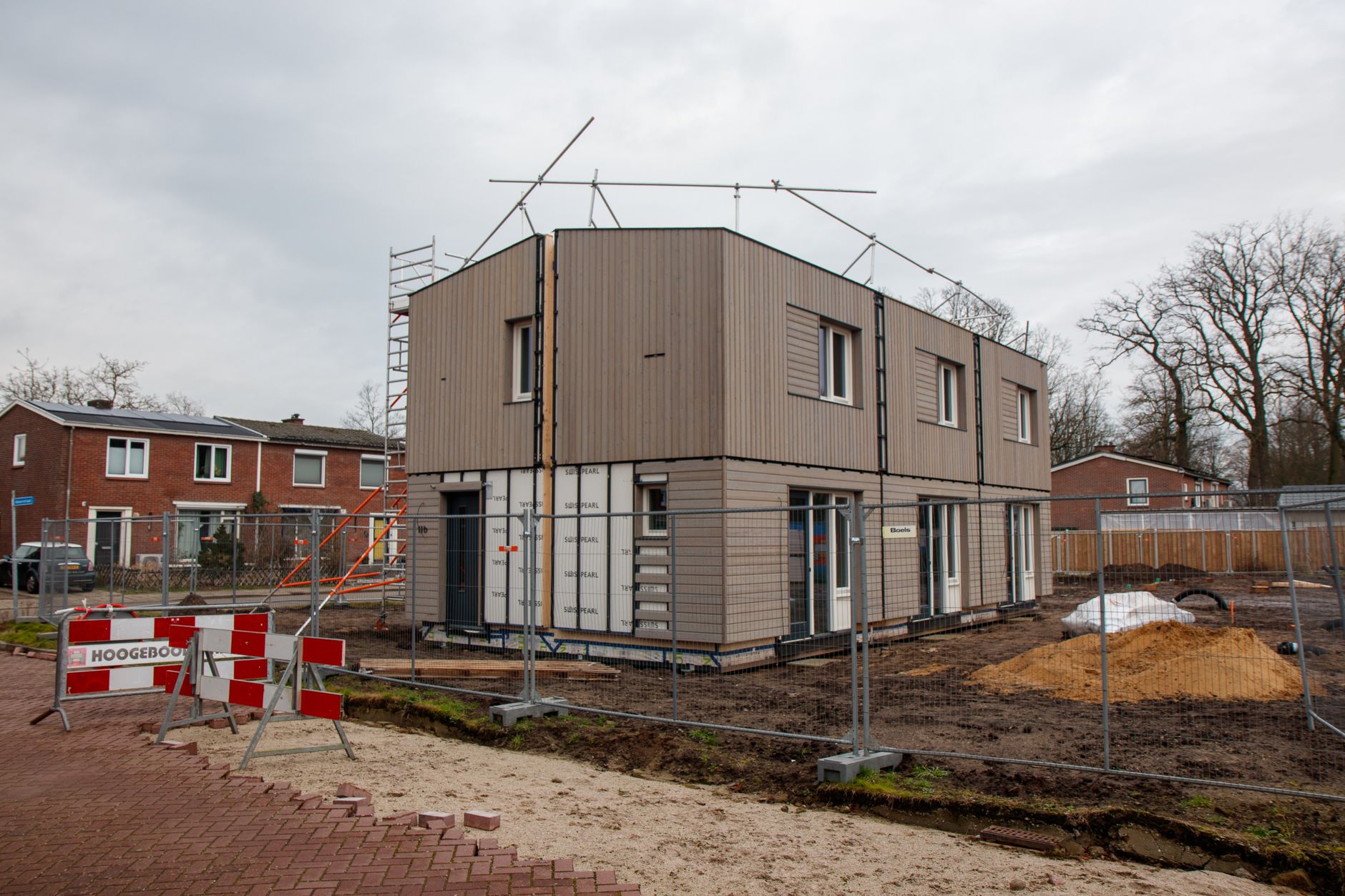
ailing housing projects are being rescued, with over 1,700 initiatives receiving much-needed support. This turnaround is crucial for the real estate market and homeowners alike.
Overview of Ailing Housing Projects
The recent surge in ailing housing projects has raised significant concerns among stakeholders in the real estate industry. With over 1,700 projects reported to be struggling, the urgency for effective solutions has never been more pronounced. These projects often suffer from a myriad of issues, including financial mismanagement, regulatory bottlenecks, and lack of investor confidence.
One of the primary challenges facing ailing housing projects is the delay in construction timelines, which can lead to increased costs and diminished buyer interest. Furthermore, many projects are left incomplete, resulting in a loss of trust among potential homeowners. This situation not only affects the developers but also has broader implications for the local economy, particularly in regions where housing demand remains high.
To address these challenges, several proven solutions have emerged:
- Government Intervention: Increased regulatory support and incentives for developers can help revive struggling projects.
- Financial Restructuring: Offering tailored financing options can ease the burden on developers and facilitate project completion.
- Public-Private Partnerships: Collaborations between government entities and private developers can drive successful project outcomes.
- Community Engagement: Involving local communities in the planning process can enhance transparency and build trust.
By implementing these strategies, stakeholders can not only rescue ailing housing projects but also restore confidence in the real estate market.
Factors Leading to Housing Project Failures
The real estate sector has been grappling with several challenges that contribute to the rise of ailing housing projects. Understanding these factors is crucial for stakeholders seeking to implement effective solutions. Below are some of the primary reasons behind the failures of housing projects:
- Financial Mismanagement: Poor budgeting, lack of transparent accounting, and insufficient financial backing can lead to project delays and eventual abandonment.
- Regulatory Issues: Complex and changing regulations can hinder progress. Delays in obtaining necessary permits and approvals often stall projects indefinitely.
- Market Demand Fluctuations: A sudden decline in demand for housing can render projects unviable, especially if they are not aligned with current market needs.
- Construction Delays: Inefficient project management and supply chain disruptions can lead to significant delays, causing other associated costs to escalate.
- Inadequate Planning: Many projects lack thorough feasibility studies and risk assessments, which can result in unforeseen challenges during development.
Addressing these issues is essential for revitalizing ailing housing projects and restoring investor confidence. By implementing best practices in financial management, regulatory compliance, and project planning, stakeholders can work towards sustainable solutions in the housing sector.
Government Initiatives for Housing Recovery
The government has recognized the critical situation surrounding ailing housing projects and has implemented several initiatives aimed at recovery. These efforts are designed to address the financial and structural challenges faced by developers, as well as to restore confidence among potential homeowners.
One of the primary strategies has been the introduction of financial aid programs. This includes:
- Subsidized loans: Offering low-interest loans to developers to help them complete stalled projects.
- Grants: Providing direct financial assistance for essential infrastructure improvements in unfinished housing developments.
Additionally, the government has streamlined the approval processes for construction permits, reducing bureaucratic delays that often hinder project completion. This initiative aims to expedite the return of ailing housing projects to the market, ensuring that buyers can access housing sooner.
Another significant measure is the formation of public-private partnerships. These collaborations allow for shared investment in housing projects, leveraging both public funding and private expertise to revitalize developments that have stalled due to financial constraints.
Furthermore, the government has also focused on enhancing transparency in project management, requiring regular updates from developers on progress and financial status. This move is intended to protect buyers and restore trust in the housing market.
Through these comprehensive initiatives, the government aims to revitalize ailing housing projects and ensure sustainable growth in the housing sector.
Success Stories of Rescued Projects
In recent years, several ailing housing projects have been successfully revitalized, showcasing effective strategies that can be applied to similar situations. One prominent example is the Green Valley Project, which faced significant delays due to financial mismanagement. By restructuring its financing model and involving community stakeholders, the project not only resumed construction but also improved its appeal through eco-friendly amenities.
Another success story is the Sunset Heights Development, which suffered from a lack of oversight and poor planning. Local government intervention played a crucial role in its recovery. By implementing stricter regulations and providing expert guidance, the project was reoriented towards meeting community needs, resulting in increased sales and occupancy rates.
Furthermore, the Metro Urban Renewal Initiative has transformed a number of abandoned developments into thriving communities. This initiative emphasizes collaboration between public and private sectors, ensuring that resources are effectively allocated. These partnerships have not only salvaged ailing housing projects but have also fostered economic growth in the surrounding areas.
These success stories illustrate that with the right approach, ailing housing projects can be turned around. Key components include financial restructuring, community involvement, and government support, all of which contribute to the revival of troubled developments and the overall health of the housing market.
Impact on Local Communities
The impact of ailing housing projects on local communities can be profound and far-reaching. When these projects falter, it often translates to a decline in neighborhood stability, economic activity, and overall quality of life for residents.
Communities affected by stalled housing developments frequently experience:
- Decreased Property Values: A surplus of unfinished or abandoned homes can lead to a drop in property values, affecting homeowners’ investments and financial security.
- Increased Crime Rates: Vacant properties can become hotspots for illicit activities, leading to heightened concerns about safety and security within the community.
- Economic Stagnation: Ailing housing projects can hinder local businesses, as potential residents are deterred from moving in, resulting in lower foot traffic and reduced sales for shops and services.
- Displacement of Residents: When housing projects fail to provide affordable options, families may be forced to relocate, disrupting established community ties and support networks.
Addressing the challenges posed by ailing housing projects requires concerted efforts from various stakeholders, including local governments, non-profit organizations, and community members. By implementing proven solutions, communities can mitigate the negative effects of stalled developments and work towards restoring stability and growth.
Future of Housing Development
The future of housing development hinges on innovative approaches to combat the issue of ailing housing projects. As urban populations continue to grow, the demand for affordable and sustainable housing becomes increasingly pressing. Stakeholders in the housing sector are now focusing on several proven solutions to revitalize struggling projects and ensure their long-term viability.
One key strategy involves public-private partnerships that leverage both governmental support and private sector efficiency. By pooling resources, these collaborations can expedite the development process and maintain quality standards. Additionally, incorporating modern technology in construction can enhance productivity and reduce costs, making it easier to complete projects on time.
Another solution is the implementation of adaptive reuse, where existing structures are repurposed for new housing developments. This not only preserves historical architecture but also minimizes environmental impact by reducing waste. Furthermore, community involvement is crucial; engaging local residents in the planning process fosters a sense of ownership and can lead to more successful outcomes.
Lastly, ensuring access to affordable financing options is vital. Government-backed loans and incentives can alleviate the financial burden on developers, encouraging them to invest in ailing housing projects. By exploring these avenues, stakeholders can pave the way for a more resilient housing market, effectively addressing the challenges posed by ailing housing projects and creating sustainable living environments for future generations.
Expert Opinions on Market Trends
Experts in the real estate and urban planning sectors have expressed varied opinions on the current trends surrounding ailing housing projects. Many believe that a strategic approach is essential for revitalizing these developments and ensuring their long-term success.
According to Dr. Emily Carter, a renowned urban economist, the key lies in understanding market dynamics. She emphasizes that “a comprehensive analysis of local demand and supply is crucial.” Without this, many ailing housing projects may continue to flounder, unable to attract buyers or tenants.
Similarly, James Thompson, a real estate analyst, points out the importance of community engagement. “Involving local residents in the planning process not only garners support but also helps identify specific needs within the community,” he notes. This approach can turn around the fortunes of ailing housing projects by aligning them more closely with what potential residents desire.
Furthermore, the role of technology in revitalizing these projects cannot be overstated. Experts suggest leveraging data analytics to inform decisions about design and amenities that appeal to modern buyers. This includes incorporating sustainable practices and smart home technologies.
In summary, the path to rescuing ailing housing projects involves a multifaceted approach that considers market analysis, community involvement, and technological innovation. As these experts suggest, addressing these areas could mean the difference between failure and success in the housing sector.
Conclusion and Next Steps
In conclusion, the issue of ailing housing projects requires immediate attention and a multifaceted approach to ensure the sustainability of future developments. As highlighted throughout this article, various factors contribute to the failures of these projects, including financial mismanagement, regulatory hurdles, and lack of community engagement. However, the success stories of rescued projects demonstrate that with the right strategies, recovery is possible.
Moving forward, stakeholders must implement a series of proven solutions to address the challenges faced by ailing housing projects. These solutions include:
- Enhanced Collaboration: Encouraging partnerships between government agencies, private developers, and community organizations to pool resources and share expertise.
- Transparent Financial Practices: Establishing clear financial guidelines and accountability measures to prevent mismanagement.
- Community Involvement: Actively engaging local residents in the planning and decision-making processes to ensure that projects meet their needs.
- Regulatory Streamlining: Simplifying the approval process for housing projects to avoid unnecessary delays and costs.
- Innovative Financing Options: Exploring new funding models that could provide the necessary capital for struggling developments.
By adopting these strategies, the housing sector can not only recover ailing projects but also pave the way for a more resilient and inclusive future in housing development.
Photo by Freek Wolsink on Pexels