









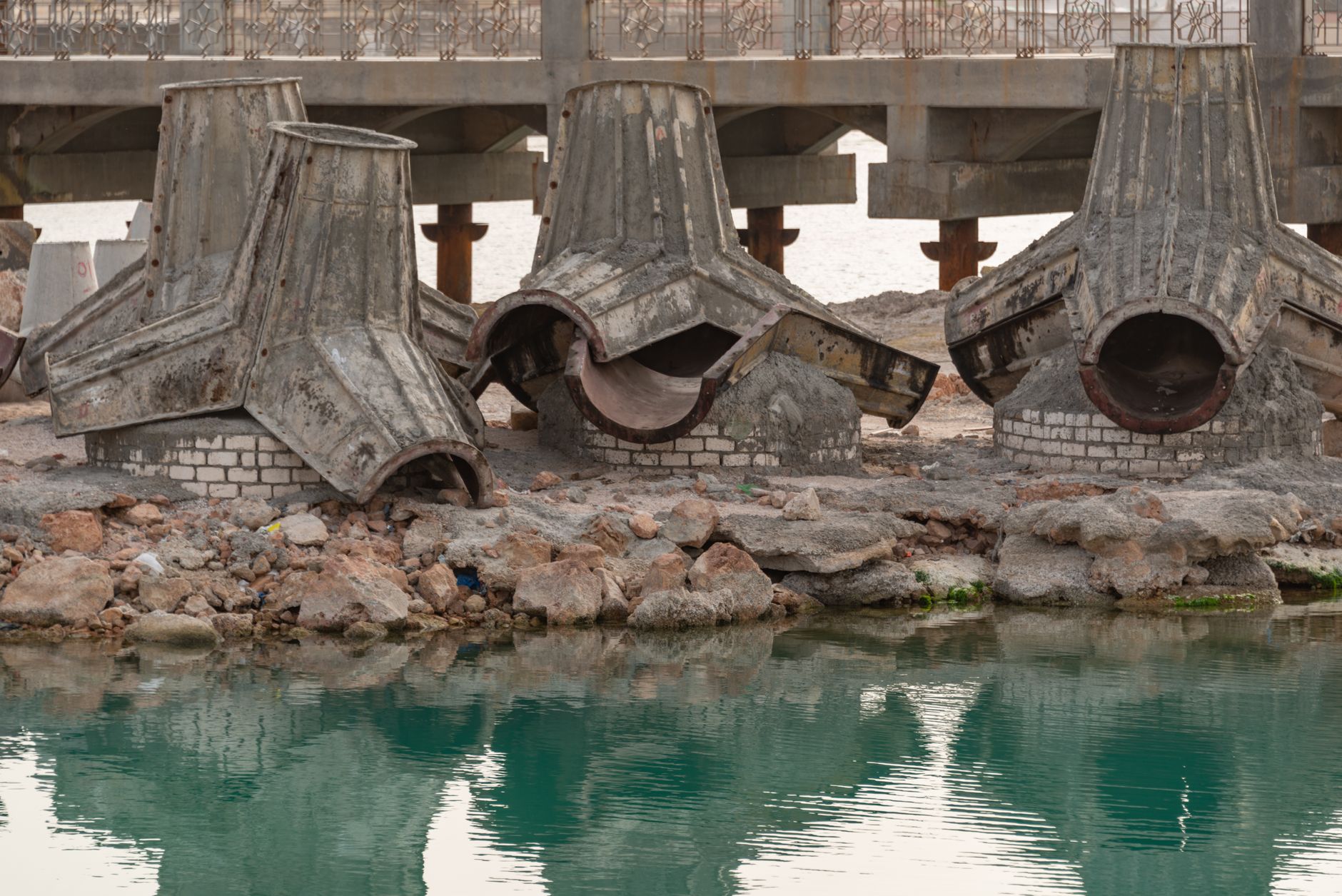
India desalination projects are gaining momentum as the 2026 forum prepares to gather the country’s top water infrastructure professionals to discuss future innovations.
Overview of India’s Water Challenges
India faces significant water challenges that threaten its agricultural productivity, economic growth, and overall quality of life for its citizens. With a rapidly growing population, the demand for freshwater resources has surged, leading to increased pressure on existing water supplies. In many regions, particularly in arid and semi-arid areas, groundwater depletion and contamination have further exacerbated the situation.
Climate change has added another layer of complexity, resulting in erratic rainfall patterns and prolonged droughts. As a result, many states are struggling to provide adequate water for both domestic and agricultural needs. The reliance on traditional water sources is no longer sufficient to meet these growing demands.
In response to these challenges, India is increasingly turning to innovative solutions, including desalination projects. These projects aim to convert seawater into potable water, offering a sustainable alternative to address the looming water crisis. The upcoming India Desalination Projects Forum 2026 will bring together leading experts to discuss and promote the best proven solutions in this field, emphasizing the need for urgent action and collaboration among stakeholders.
Key Innovations in Desalination
As India faces escalating water scarcity, innovative solutions are vital for sustainable water management. Key innovations in desalination are emerging as promising avenues to address the country’s water challenges. Several India desalination projects are leading the way, showcasing cutting-edge technologies and methodologies.
- Reverse Osmosis (RO): This widely adopted method utilizes a semipermeable membrane to separate salt and impurities from seawater, producing high-quality drinking water.
- Solar Desalination: Harnessing renewable energy, solar desalination systems are designed to reduce operational costs while minimizing environmental impact.
- Zero Liquid Discharge (ZLD): This innovative approach ensures that no wastewater is released during the desalination process, effectively recycling all by-products.
- Electrodialysis: A newer technology that uses electric currents to drive ions through selective membranes, providing an energy-efficient alternative to traditional methods.
These advancements not only enhance the efficiency of desalination plants but also pave the way for future projects in India, ensuring a more resilient and sustainable water supply for its growing population.
Impact on Water Scarcity Solutions
The implementation of India desalination projects is expected to significantly impact water scarcity solutions across the nation. With the increasing demand for fresh water and the ongoing challenges posed by climate change, these initiatives are proving to be a vital part of India’s water management strategy.
Desalination technologies help convert seawater into potable water, thus providing an alternative source to traditional freshwater supplies. This is particularly crucial for coastal regions that suffer from chronic water shortages. The benefits of these projects can be summarized as follows:
- Increased Water Availability: Desalination can significantly boost the water supply for urban and rural communities.
- Enhanced Agricultural Production: Farmers can access saline water resources, leading to improved crop yields.
- Job Creation: The construction and operation of desalination facilities generate employment opportunities in the local economy.
As India continues to develop these technologies, the potential for mitigating water scarcity becomes increasingly promising, offering sustainable solutions that can be adapted to various regional needs.
Expert Insights from Industry Leaders
As India grapples with escalating water scarcity, industry experts convened at the India Desalination Projects Forum 2026 to discuss innovative solutions and strategies. Key leaders in water infrastructure shared their insights on the future of desalination in the country.
One prominent panelist, Dr. Anjali Rao, emphasized the importance of integrating renewable energy sources to power desalination plants. “By utilizing solar and wind energy, we can significantly reduce operational costs and environmental impact,” she stated.
Another expert, Mr. Vikram Singh, highlighted the need for public-private partnerships to accelerate project implementation. “Investing in India desalination projects not only addresses immediate water needs but also creates economic opportunities,” he noted.
Furthermore, the forum addressed technological advancements, such as membrane filtration and energy recovery systems, which have improved efficiency and reduced waste. Many leaders expressed optimism that these innovations will play a crucial role in ensuring sustainable water supplies for urban areas.
As discussions progressed, attendees agreed that collaborative efforts among government, industry, and communities are essential to successfully tackle India’s pressing water challenges through desalination.
Future of Water Infrastructure in India
The future of water infrastructure in India is poised for significant transformation, primarily driven by advancements in desalination projects. As the nation grapples with water scarcity, these projects are becoming essential to ensure a sustainable water supply for its growing population.
Investments in cutting-edge technologies are crucial to enhancing the efficiency of desalination processes. Key areas of focus include:
- Energy Efficiency: Innovative methods to reduce energy consumption are being developed, making desalination more cost-effective.
- Environmental Sustainability: Projects are increasingly emphasizing eco-friendly practices to mitigate the impact on marine ecosystems.
- Community Engagement: Involving local communities in planning and implementation ensures that projects meet the specific needs of the populations they serve.
Moreover, the upcoming India Desalination Projects Forum 2026 will gather experts and stakeholders to discuss collaborative strategies and share best practices. This platform will highlight the importance of integrating desalination with existing water systems and explore funding opportunities to support large-scale initiatives.
With continued focus on these innovative solutions, India can effectively address its water challenges and secure a reliable future for its water infrastructure.
India desalination projects are gaining momentum as innovative technologies are being implemented to address water scarcity. With a focus on sustainability, these India desalination projects aim to provide clean water to millions of people in coastal regions.
Photo by Diego F. Parra on Pexels
Read the original
Related stories
Home Prices Tuscaloosa 2026: The Smart Forecast You Need · Ropeway Projects Guwahati Tawang: Proven Benefits for Travelers · Is the Home Phone Solution the Best Choice for Starlink Users?