



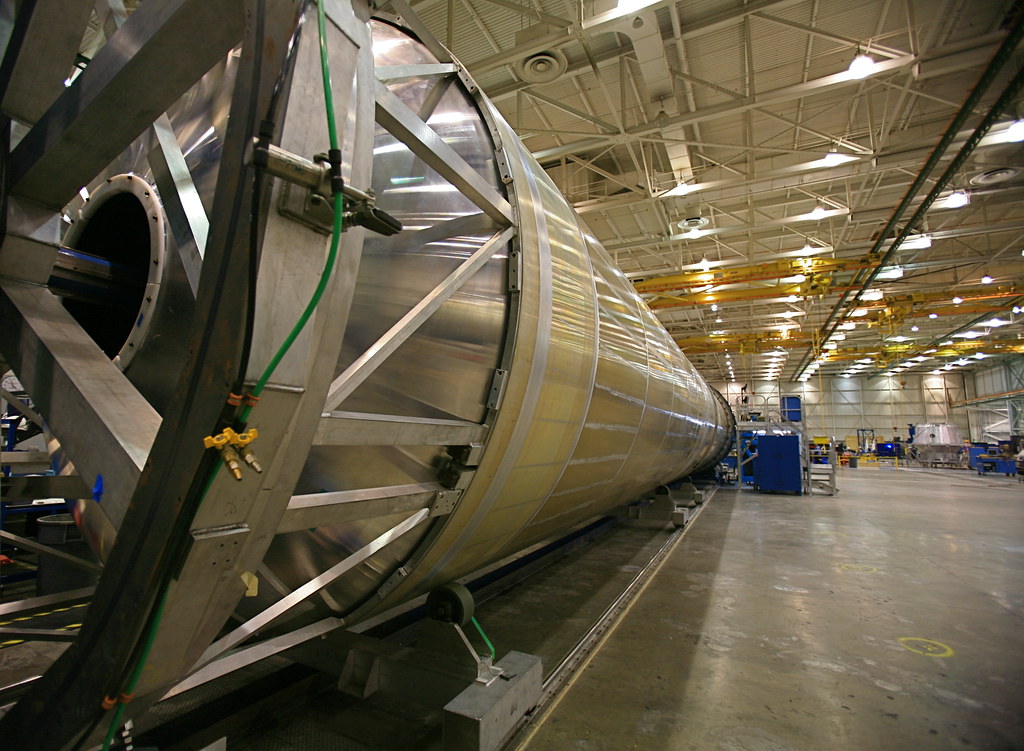
aluminum alloy products are becoming increasingly important in the nuclear industry. This article explores their applications and benefits.
Overview of Aluminum Alloy Products
Aluminum alloy products have gained significant traction in various industries, including the nuclear sector. These materials are prized for their unique combination of lightweight properties, strength, and resistance to corrosion, making them ideal for demanding applications.
The ongoing project focusing on aluminum alloy products for the nuclear industry aims to enhance safety and efficiency in nuclear facilities. Key benefits of these products include:
- Durability: Aluminum alloys are designed to withstand harsh environments, ensuring longevity.
- Weight Reduction: The lightweight nature of aluminum allows for easier handling and installation.
- Thermal Conductivity: These materials effectively dissipate heat, a crucial factor in nuclear applications.
- Cost-Effectiveness: Aluminum alloys offer a balance of performance and affordability.
As the nuclear industry continues to evolve, aluminum alloy products will play a vital role in meeting both safety and operational standards.
Applications in the Nuclear Industry
The nuclear industry has increasingly turned to aluminum alloy products for various applications due to their unique properties and advantages. These materials are particularly valued for their strength-to-weight ratio, corrosion resistance, and thermal conductivity, making them an ideal choice for critical components.
Some of the key applications of aluminum alloy products in the nuclear sector include:
- Structural components: Used in reactor buildings and support structures.
- Fuel cladding: Provides protection and insulation for nuclear fuel.
- Heat exchangers: Enhances thermal performance in cooling systems.
- Control rods: Assists in regulating the nuclear reaction safely.
With ongoing advancements in technology, the versatility of aluminum alloys continues to expand, ensuring their crucial role in the future of the nuclear industry.
Benefits of Using Aluminum Alloys
Aluminum alloy products offer a multitude of benefits that make them an ideal choice for the nuclear industry. Their unique properties contribute to enhanced performance and safety in various applications.
- Lightweight Structure: Aluminum alloys are significantly lighter than traditional materials, which improves handling and reduces transportation costs.
- Corrosion Resistance: These alloys possess excellent resistance to corrosion, ensuring longevity and reliability in harsh environments.
- Thermal Conductivity: Aluminum alloys provide superior thermal conductivity, essential for efficient heat management in nuclear reactors.
- Strength-to-Weight Ratio: The high strength-to-weight ratio of aluminum alloys makes them suitable for critical structural applications without compromising safety.
- Cost-Effectiveness: Utilizing aluminum alloy products can lead to significant cost savings over time due to reduced maintenance and replacement needs.
These advantages highlight why aluminum alloys are increasingly recognized as the right choice for the nuclear industry.
Challenges in Manufacturing Aluminum Alloys
Manufacturing aluminum alloy products for the nuclear industry presents several challenges that must be addressed to ensure safety and efficiency. These challenges include:
- Material Properties: Achieving the desired mechanical properties while maintaining corrosion resistance is crucial.
- Precision Fabrication: The components require precise tolerances to fit within complex systems, which can complicate the manufacturing process.
- Quality Control: Strict quality assurance protocols are necessary to prevent defects that could compromise safety.
- Cost Management: Balancing high-quality production with cost-effectiveness is a constant struggle for manufacturers.
- Regulatory Compliance: Adhering to stringent regulations set by nuclear authorities can present significant hurdles in the production process.
Despite these challenges, advancements in technology and materials science continue to enhance the development of aluminum alloy products tailored for the nuclear sector.
Future Trends in Alloy Development
The future of aluminum alloy products in the nuclear industry is poised for significant advancements, driven by ongoing research and development. As the demand for lightweight, durable materials increases, manufacturers are focusing on enhancing the properties of aluminum alloys to meet stringent safety and performance standards.
Emerging trends in alloy development include:
- Improved corrosion resistance: Innovations in alloy compositions aim to enhance resistance to corrosive environments, crucial for nuclear applications.
- Enhanced strength-to-weight ratio: New formulations are being tested to achieve higher strength without adding weight, beneficial for structural components.
- Sustainability initiatives: The industry is also exploring recycled aluminum alloys, promoting environmental responsibility while maintaining performance.
As these trends evolve, aluminum alloy products are likely to gain a more prominent role in nuclear power generation, contributing to safer and more efficient operations.
Conclusion: Aluminum Alloys’ Role in Nuclear Safety
In conclusion, aluminum alloy products play a crucial role in enhancing safety and efficiency within the nuclear industry. Their unique properties, such as excellent corrosion resistance and lightweight characteristics, make them an ideal choice for various applications, from reactor components to storage solutions.
As the industry continues to evolve, the demand for high-performance materials like aluminum alloys will only increase. The ongoing research and development in alloy formulations promise to address existing challenges, ensuring that these products meet stringent safety standards.
Moreover, the focus on sustainability in nuclear energy production means that aluminum alloy products, known for their recyclability, will contribute to more environmentally friendly practices. As we look to the future, the integration of advanced aluminum alloys in nuclear technology will not only enhance operational safety but also drive innovation in the sector.
Ultimately, embracing aluminum alloys can lead to safer, more reliable nuclear energy solutions.
By jurvetson via Openverse